Lake Nakuru National Park sits in Kenya’s Rift Valley, and for many visitors it is a one-day stop. If you are planning a Lake Nakuru safari for photographers, the park deserves more careful thought. The lake is famous for flamingos, but it also holds rhinos, Rothschild’s giraffes, buffalo, lions, and a rich list of waterbirds. Its escarpments and lake views give you landscape frames that other Kenya parks often lack. The trick is to treat Nakuru as a photography subject with changing water levels, changing bird numbers, and changing light. This field-tested plan explains what to shoot, where to stand, when to go, and how to pack. You can also read the practical details in our main Lake Nakuru guide, but stay here for the photography plan.
Why Does Lake Nakuru Work for Wildlife Photographers?
Lake Nakuru works for photographers who want varied subjects without long daily drives. Rhinos, Rothschild’s giraffes, buffalo, lions, waterbirds, escarpment views, and lake landscapes occur within a compact park. Its main advantage is variety and access. Its limitation is that shoreline conditions and animal distances can change with water levels.
The park has a mix of lake shore, grassland, woodland, and cliff viewpoints. You can cover several habitats in one morning. That makes it a good training ground if you are new to wildlife photography. It also rewards photographers who want to build a story around one ecosystem.
The lake itself is shallow and alkaline. Its level has risen in recent years, and that changed the shoreline. At times the water has covered some of the old flamingo feeding zones. The birds may then appear in smaller groups or in different bays. For photographers, this means you should treat any map or older blog post as a starting point, not a promise. Ask your guide about current water levels and bird positions before you set your route.
Where Are the Best Photography Locations and Viewpoints in Lake Nakuru?
Use Baboon Cliff, Lion Hill, and the Out of Africa viewpoint for wide lake and escarpment compositions. Then work the shoreline, Naishi Plains, and woodland edges for wildlife frames. Makalia Falls adds a landscape option. Treat viewpoints as light-dependent locations rather than fixed guarantees. Access, water levels, haze, and animal movement can all alter the best position.
Baboon Cliff faces the lake and gives you a layered view of water, shoreline, and distant hills. It is strongest in early morning before haze builds. Lion Hill is an elevated spot for scanning open country. The Out of Africa viewpoint is another wide-angle favorite. On clear days you can see the lake’s curve and the Rift Valley escarpment behind it.
For wildlife frames, spend time along the lake road where birds gather near the waterline. The Naishi Plains can hold grazing rhinos and buffalo. Woodland edges, especially near the southern and western sections, give shade for giraffes and sometimes lions. Makalia Falls is more of a seasonal option, but after rain the water flow adds a landscape subject.
The best viewpoint changes with conditions. If the water has risen, some vantage points lose their foreground. If haze sits over the valley, distant angles lose contrast. Let the light and the animals decide the order.
What Is the Best Time of Day and Season for Lake Nakuru Photos?
The most reliable light comes shortly after opening and during the final afternoon hours. Softer illumination at these times improves wildlife detail and lake landscapes. January to March can bring clearer conditions and strong flamingo concentrations. The rainy months produce greener scenery and active birdlife, but they may make roads muddy. Choose dry months for visibility and green months for atmosphere.
Plan at least one full morning and one full afternoon. The park opens not long after sunrise and closes around dusk. In the first hour, mammals are often moving toward water, and birds feed along the shore. In the late afternoon, the angle of the light warms the cliffs and lengthens shadows.
Seasonal conditions matter more at Lake Nakuru than at some other Kenya parks because the lake is the main subject. When water levels are high, the flamingo numbers may drop. When levels are lower and food is more exposed, flamingos can gather in big flocks. These shifts are not predictable years ahead, so ask your operator for recent reports before you fix dates.
| Season | Light and Roads | Subjects to Prioritize |
|---|---|---|
| January to March | Clear air, dry roads | Flamingos, pelicans, rhinos on open plains |
| April to June | Green scenery, muddy stretches after rain | Newborn antelopes, birds, green backgrounds |
| July to October | Cool, dry, busy roads | Mammals near water, predators, wide lake views |
| November to December | Lush, patchy showers | Waterbirds, insects, atmospheric light |
Which Wildlife Subjects and Behavior Should You Expect?
Prioritize rhinos, Rothschild’s giraffes, buffalo, lions, flamingos, pelicans, and other waterbirds, but plan around behavior rather than a checklist. Rhinos may remain distant or partly screened by vegetation. Flamingos shift with water conditions and food availability. Birds are most active in the cooler morning hours. Patience and observation usually produce stronger images than chasing sightings.
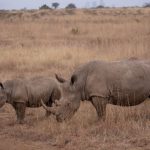
The rhino is the park’s important conservation story. Lake Nakuru has helped protect both black and white rhinos. When you find one, respect its space. It may not come close. Use your longest lens rather than trying to maneuver for a tighter shot.
Rothschild’s giraffes are a photographic highlight. They often feed in acacia woodland, where the vertical lines of the trees create a strong composition. Buffalo are common, but like rhinos they can appear either relaxed or alert. Watch the ears and tail for mood.
Lions are less predictable. Some days they rest in open grassland; other days they stay in thick cover. Ask rangers and your guide for recent lion activity, but do not force a lion sighting if another subject is giving better light.
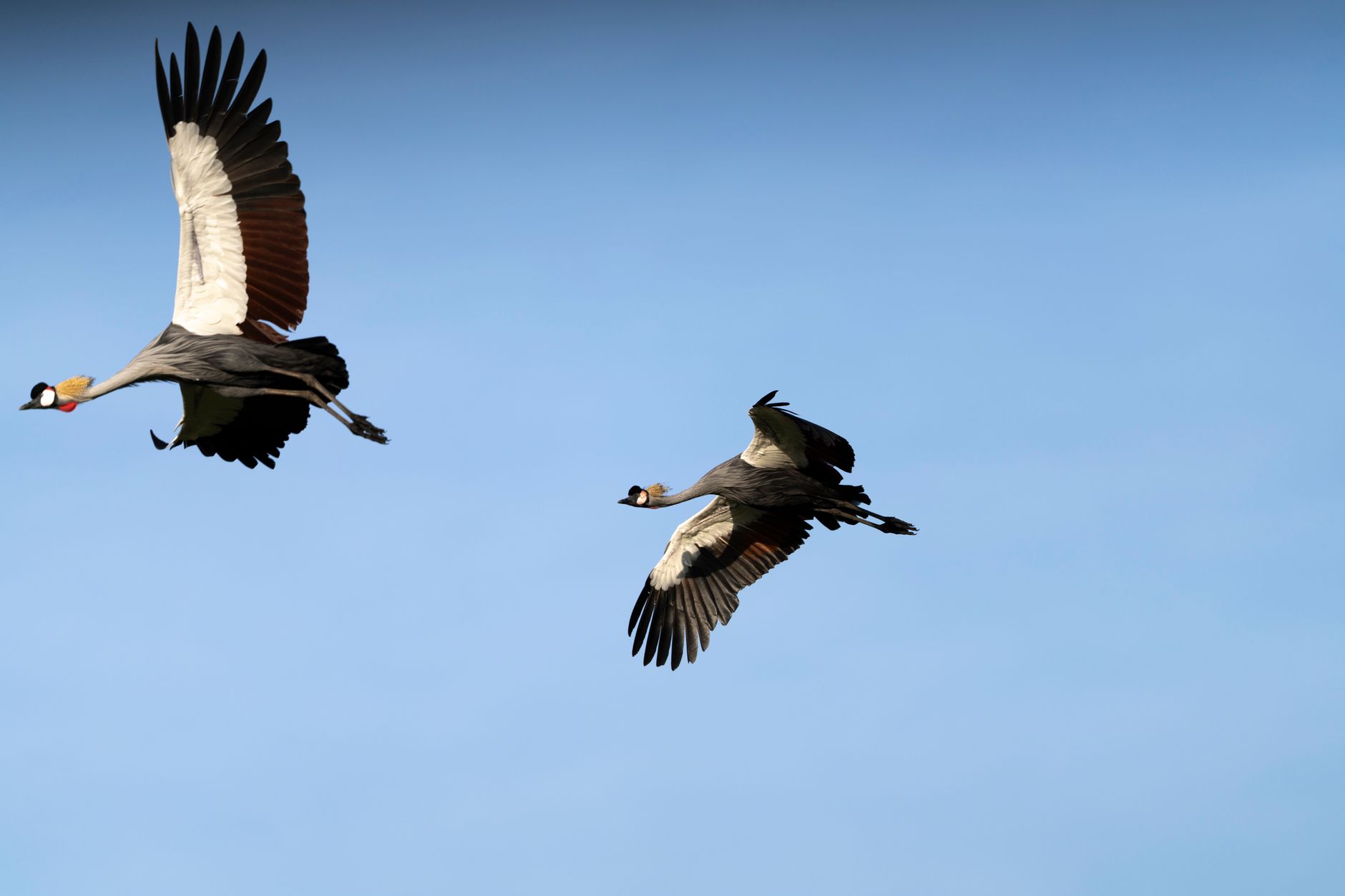
Flamingos and pelicans are the birds most visitors want. Their arrangement changes with food supply and wind. In cool mornings, feeding flocks are often dense. By midday they may spread out or move to deeper water. Try to include a few environmental frames that show the flock against the lake, then switch to tight portraits.
What Camera Gear and Vehicle Setup Do You Need for a Lake Nakuru Safari for Photographers?
A 100 to 400mm or 200 to 500mm lens covers most mammal encounters. A 300 to 600mm setup helps with distant birds. Carry a wide-angle lens for viewpoints and environmental portraits. Use a bean bag or stable vehicle support, spare batteries, lens cloths, and rain protection. A second camera body reduces lens changes in dust and fast-moving encounters.
Do not overpack for a focused Lake Nakuru safari for photographers. You will shoot from the vehicle, so space is limited. The two-lens system works well: a telephoto zoom for animals and a wide-angle zoom for landscapes. If you can only bring one lens, choose the telephoto zoom and use your phone or a compact wide-angle backup.
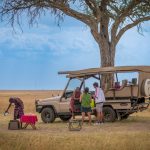
Stability is more important than a slightly longer lens. Set your lens on a bean bag balanced on the window frame. Turn off the engine and wait for the animal to look your way. In dusty conditions, change lenses only inside the vehicle. Carry a small blower and a microfibre cloth.
Battery life drops in cool early mornings, so bring two or three spare batteries. Heat and dust are also hard on memory cards; keep spares in a sealed pouch. Rain showers can come quickly in the green season, so a simple rain cover for the camera is worth its weight.
How Long Should You Stay and How Do You Plan a Photography Safari?
A full day can produce a useful mix of wildlife and landscapes. One or two nights gives photographers better access to early and late light. This extra time also allows more chances to adapt to weather or animal movement. Build the day around opening and closing light. Avoid repeating the same route. Combine Nakuru with Masai Mara or another Rift Valley stop only if transit will not reduce shooting time.
If you are on a tight Kenya itinerary, a full day is still better than a half-day. You can do a morning game drive, a midday break at the lodge or gate area, and an afternoon drive. By staying overnight, you avoid the long drive into the park at sunrise. You also avoid the pressure to leave before the best light.
One night is enough for most photographers. Two nights gives you a backup if the first afternoon is cloudy or if the rhinos stay hidden. Longer stays are useful if you want to work on a specific subject, such as a flamingo study, but they are not required.
Plan each drive around a rough theme. Morning: birds and mammals near the shoreline. Late afternoon: predators and wide-angle landscapes. Avoid driving the same loop twice, because animals shift and you want new angles. If you plan to add Masai Mara or another Rift Valley park, count actual driving time, not map distance. Road conditions and park transfers can eat into photography hours. Avoid tiring yourself on a multi-park safari unless you have enough days. You can also compare Lake Nakuru with Kenya’s best photography hides if you are deciding between vehicle-based shooting and fixed hides.
What Photography Rules and Ethics Apply in Lake Nakuru?
Stay on designated roads, keep a respectful distance, and never bait or pressure animals. Do not use drones inside Lake Nakuru National Park without the required Kenya Wildlife Service authorization. Responsible photography matters most around rhinos and nesting birds. A good guide should prioritize animal welfare, explain behavior, and choose a safe position even when a closer image is possible.
The animals are wild, and the park is managed for conservation. If a rhino is walking toward you, give it space and do not block its path. Photographers sometimes push for a closer shot by telling the driver to cut a corner. This can cause animals to run and ruin the image anyway. A better approach is to pre-position the vehicle, cut the engine, and let the animal move into a good frame.
Drones are a special case. You may not fly one in the park without Kenya Wildlife Service permission. That permission is rarely given for recreational photography. The best aerial-style images come from the elevated viewpoints, which give you a natural high angle without disturbing wildlife.
Follow the ethical wildlife photography rules that apply across Kenya. If you see another vehicle crowding an animal, let your guide handle it. Your photos are stronger when the animal is calm.
What Do Photographers Often Ask About Lake Nakuru?
Is Lake Nakuru good for photography?
Yes. Lake Nakuru offers rhinos, giraffes, buffalo, lions, flamingos, other waterbirds, dramatic escarpments, and compact driving distances. It is particularly strong for photographers who want wildlife and landscape variety during a short Kenya safari.
What is the best time to visit Lake Nakuru for photography?
Early morning and late afternoon provide the best light for wildlife and landscapes. January to March often offers clear conditions and strong flamingo opportunities, while the rainy seasons bring greener backgrounds and active birdlife but can create muddy roads.
What animals can you photograph in Lake Nakuru?
Common photographic subjects include black and white rhinoceros, Rothschild’s giraffes, buffalo, lions, flamingos, pelicans, and many other waterbirds. Sightings vary by season, water level, habitat, and daily movement, so no animal is guaranteed.
What lens do I need for a Lake Nakuru safari?
A 100 to 400mm or 200 to 500mm lens is versatile for mammals, while 300 to 600mm gives more reach for distant birds. Add a wide-angle lens for viewpoints and lake scenes, plus a bean bag or other support for shooting from the vehicle.
How many days do you need in Lake Nakuru National Park?
A full day is suitable for a quick photography safari, but one or two nights is better for photographers who want both morning and afternoon light and flexibility around weather and wildlife movement. Longer stays make most sense when combining Nakuru with nearby Rift Valley destinations or the Masai Mara.
Are drones allowed in Lake Nakuru National Park?
Drones are not allowed without Kenya Wildlife Service authorization. In practice, recreational drone use is rare and usually refused. Use Baboon Cliff and Lion Hill for natural high angles instead.
Where Can You Compare Lake Nakuru Safari Packages?
Browse packages from FindMySafari, Valley Safaris, or Trunktrails Safaris to compare safari operators who know Lake Nakuru and can adapt when water levels shift. A good operator is the difference between a generic park loop and a real photography session.
Where Can You Find More Safari Planning Resources?
- Best time to visit Kenya map from SafariPure
- Lake Nakuru safari guide from Trunktrails Safaris
- Rift Valley lakes map from Valley Safaris
- Camera advice for your first safari, on FindMySafari